


A Mongolian pageant and social media personality has been thrust into online discussions after screenshots of her Public Social Media platform began circulating alleging that provocative images were available to followers and the public, alongside immediate references to Regulatory Work affiliations.
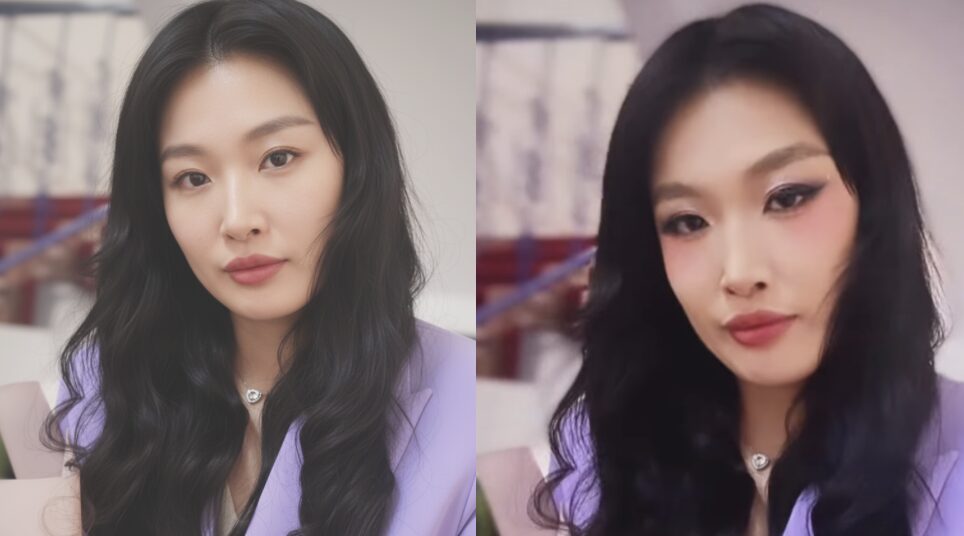
The exaggerations of fluency of English language remain to be addressed, alongside obvious flaws in spelling for something as critical as a “maasters” (wrong spelling left in verbatim) representation of a Masters Degree. As a consequence, it appears to the qualified and competent newsroom, that a large part of her digital images are heavily doctored. It is fairly obvious, as opposed to how someone looks in real life with a much flatter nose bridge, and an obvious overjet.
Furthermore, the belated additions to the Mongolian Youth Association all appear only belatedly and recently inserted post April 2026, with no real work or credibility tagged to it that pre-dates this period. The existing youth corporation members are attached, of which the Adviser, Bolorsaikhan, has been reached out for official press comment.


Further deceptive claims have since arisen, as the Miss World biography identifies Enkhtuul Bayarsaikhan as a founder of “Novex Club”, whilst highly reliable and competing evidence on the actual Facebook page of this youth support club, raises questions about that designation.


The claims rapidly escalated into one of Central Asia’s online financial scandals in the recent month. Энэхүү нэхэмжлэл нь сүүлийн сард Төв Азийн онлайн санхүүгийн дуулиануудын нэг болон хувирсан.
The pageant hopeful, Gerel, Emily or Enkhtuul Bayarsaikhan, sometimes Enkthuul Bayarsaikhan, with three to four pseudonyms masquerading as the same individual, has been at the centre of growing speculation reported after alleged direct messages, from her public account, where she referenced @frc.mn, leveraging on the pageant, surfaced across social media platforms.
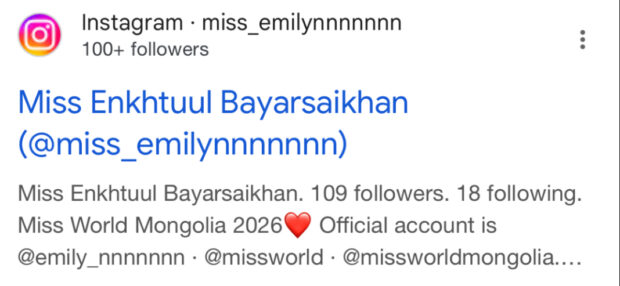
Тэмцээний найдвар Гэрэл, Эмили эсвэл Баярсайханы Энхтуул, заримдаа ижил хувь хүний дүрд хувирсан гурван нууц нэр бүхий Баярсайханы Энхтуул нь олон нийтийн мэдээллийн хэрэгслээр дамжуулан @frc.mn хаягаар дамжуулан олон нийтийн цахим хуудаснаас шууд мессеж илгээсний дараа улам бүр өсөн нэмэгдэж буй таамаглалын төвд байна.
She is now deflecting blame, in Mongolian, suggesting it arose from “Fake Accounts” (Тэр одоо бурууг буруушааж, монголоор “Хуурамч данс”-аас үүссэн гэж үзэж байна, Энэ хаяг нь миний албан ёсны хаяг тул хуурамч), intensifying calls to ensure she is held legally accountable, for her workplace indiscretions (түүнийг ажлын байран дахь хайхрамжгүй байдлынхаа төлөө хуулийн дагуу хариуцлага хүлээхийг баталгаажуулах уриалгыг эрчимжүүлж байна).
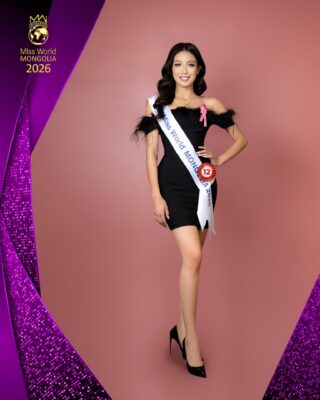
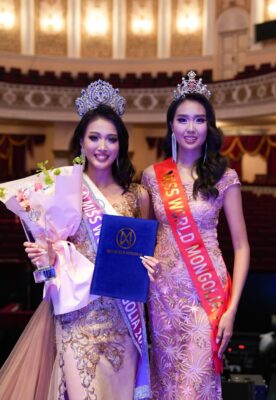
FRC, an abbreviation of the Federal Regulatory Commission, is an independent Mongolian parliamentary authority established in 2006, to regulate the non-bank financial institutions or NBFIs. It has to adhere to all standard government guidelines, that should not differ broadly across Central Asia.
These factual statements make fair claims the content, available to all her followers, includes suggestive imagery, that features her in lingerie, and implied references to institutional connections, prompting questions over whether a impressionable, junior regulatory officer’s role in a financial regulatory body, in Mongolia, may have been seriously misrepresented.
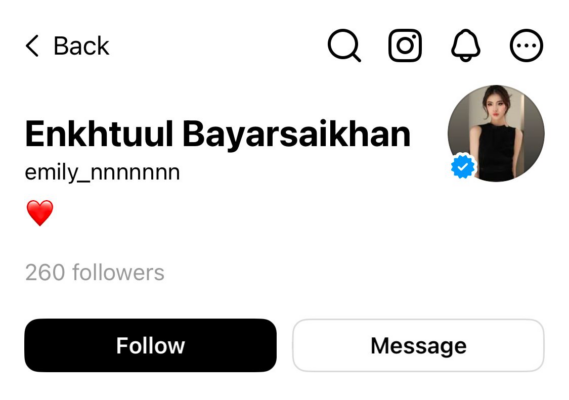
Adding fuel to the allegations, users online have pointed out that the Instagram account linked to Enkhtuul Bayarsaikhan appears to have changed its handle multiple times, including the present April 2026 use of @enkthuul_mn, while retaining the same underlying account and issues still are taking place with now soliticiations for “coffee dates“, of which the price of a fancy coffee in Ulanbaataar is 20000-30000₮ (depending on the café), whilst all associated accounts, only grossing single digit likes on Instagram Threads as opposed to Instagram, for images, such as below.
They, like the original account, exhibit the same pattern for inflated Follower Counts, using purchased internet Fake Bots.


The situation has since gone viral in Mongolia, with hashtags and repost chains pushing the allegations into online discourse. While the material circulating remains to be clarified, the volume and speed of sharing have turned the matter into a social media flashpoint.
This same pattern, of inflated ‘follower count’ to solicit for attention, is also reflected in her ‘personal’ item: GEREL PROJECT. All of these changes appear to have taken place within a relatively short span of several weeks after the initial screenshots began circulating. The sequence of handle updates, within the past short few weeks, has added further discussion across social media platforms.
Some commentators, however, have suggested that broader socioeconomic pressures may be a contributing context, such that such an officer, a mid level graduate from a developing territory’s university, has a 4 million MNT or ~ USD 1,000 wage expectation. Even as all encourage pathways to career success, at whichever level of education, skillset or wage level, pageant bodies, however, are generally expected to enforce clear codes of conduct, including removal from competition where reputational integrity is called into question.

Amid the controversy, calls have emerged online for Bayarsaikhan to step down from her workplace, due to the inappropriate solicitors, with an Official Representative from the federal regulatory board pending takedown and disciplinary notices.
Reputable regulatory boards, and critics opine that continued participation in the pageant, as Mongolia’s representative, could severely damage trust in pageant institutions and any associated developing territory regulatory credibility. These calls have not been issued by any official body, and no formal reasons have been provided.
Consequences of Unacceptable Usage of Social Media
In a parallel matter, Miss Korea’s representative in developed Japan, @hana01_e dubbed as a self-professed “Salarywoman”, had faced calls from her company as her Boss, received her social media handle from her colleague, and gave two markers, for her to continue usage of her Instagram. This became a viral video, as “My company found my Instagram”, on her social media handle, wherein her boss, gently labelled it curiously, as a “Why are you making this?”, and she had stated “I wanted to show the real life of working in Japan” and, honestly she were bored yet wished to create content.
The conditions set for her continued employment were relatively reasonable, including social media usage restrictions such as, firstly, not featuring colleagues’ faces, avoiding personally identifiable workplace details, and, secondly, refraining from referencing the company itself.
In contrast, other recent social media controversies involving Central Asia’s pageant figures have highlighted more serious concerns around the use of platforms, including allegations circulating online about inappropriate content and implied solicitation, and suggestion of holding out of Regulatory clearance or favours in lieu of such content.
Beauty pageants such as the Miss Universe Organization and the Miss World typically require contestants to uphold strict standards of conduct, reflecting broader expectations around professionalism and public representation, as previously reported, following the viral Thai contestant’s veneers drop off. For now, there has been no official spokesperson taking responsibility, for the formal inquiry, but the news continues to spiral negatively in the age of influencer visibility, where reputation and virality are often separated by only a few hours of social media momentum.
Reflection of Natural Cultural Beauty in Mongolia
Not all Mongolian beauty figures engage their audiences through controversy. Many maintain polished, respectable social media profiles centred on fitness, lifestyle and personal discipline. One example frequently cited by followers is @bellaa___n, an IFBB national champion, acknowledging Mongolia’s nomadic heritage, references to Genghis Khan with Mongol aesthetics or garments, and ICN competitor whose Instagram presence focuses on athletic training, bikini fitness modelling and competition preparation.
Her account highlights a different facet of Mongolia’s beauty scene, one grounded in fitness, natural aesthetics and personal discipline rather than viral tacky spectacle, including wearing a tiara to sleep. Other accounts, such as that of their entertainment scene, remain naturally appropriate, and also fitting for the workplace.
Some others, of Mongolian descent with beauty and cultural impact, and a decent command of English, reflecting timeless elegance, with style and class have relocated to Geneva.
Supporters say such accounts demonstrate how such territories’ contestants, creators and influencers can build strong online followings while maintaining a decent, appropriate image.
Popspoken has reached out to Miss World and FRC for an official statement. This is a developing news article.
Editor’s note (25 April 2026): This is a developing news piece, of which, the Instagram changes, had been reflected to address inconsistencies, and professional translation is given, for this news report, to ensure there is no miscommunication to good Mongolian citizens, since a large percentage do not read or write English. The calls for asking her to step down from her Regulatory Role have intensified, alongside Pageant Observer’s comments and full support, of her signalling concerns of her inability to “reflect the class, composure, and ambassadorial attitude expected from a Miss World representative”.
Редакторын тэмдэглэл (2026 оны 4-р сарын 25): Энэ бол дийлэнх хувь нь англи хэл уншиж, бичдэггүй тул сайн Монгол иргэдэд буруу ойлголт өгөхгүй байх үүднээс Instagram-д өөрчлөлт оруулж, зөрчилдөөнийг арилгах үүднээс тусгаж, мэргэжлийн орчуулга хийсэн мэдээ юм. Түүнийг “Дэлхийн миссийн төлөөлөгчөөс хүлээгдэж буй анги, тайван байдал, элчин сайдын хандлагыг тусгах” чадваргүй гэсэн санаа зовниж буйгаа Тэмцээний ажиглагчийн тайлбар, бүрэн дэмжлэгийн зэрэгцээ түүнийг Зохицуулах үүргээсээ огцрохыг хүсэх уриалга улам бүр нэмэгдсээр байна.
Editor’s note (22 August): Enkhtuul Bayarsaikhan has been ousted from the Top 60 Contestants, and further clarifications on her role and association with Novex Club is pending correction as well as clarification.
Редакторын тэмдэглэл (8-р сарын 22): Энхтуул Баярсайхан шилдэг 60 оролцогчийн тооноос хасагдсан, Түүний гүйцэтгэх үүрэг болон “Novex Club”-тай холбоотой асуудлын талаарх нэмэлт тодруулга нь засвар болон тодруулга хийгдэхийг хүлээж байна.
The title of the news headline has been reflected for clarity.
Image Credit: Enkhtuul “Emily” Bayarsaikhan, first profiled in viral veneers, beauty pageant contestant incident.