



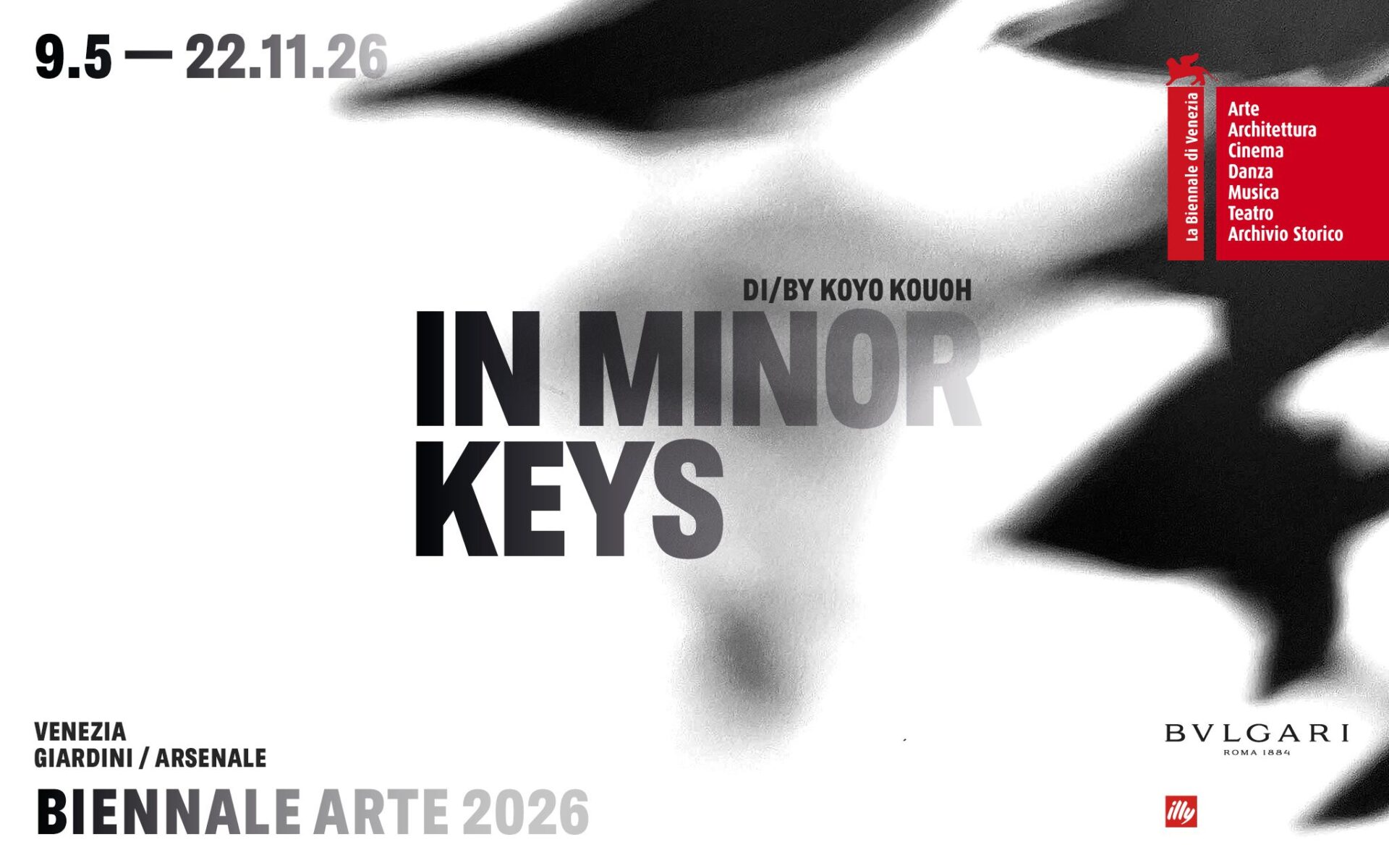
The Venice Biennale returns for its 61st edition from 9 May to 22 November 2026, once again transforming Venice into the epicentre of the contemporary art world.
Held across the historic Giardini della Biennale, the Arsenale, and dozens of satellite venues across the city, the exhibition features 111 artists and 99 national pavilions, reflecting a wide global spread of contemporary voices.
This year’s exhibition is titled “In Minor Keys” conceived by curator Koyo Kouoh, the first African woman appointed to lead the Biennale. Although Kouoh regrettably passed away in mid 2025, the show is being realised according to the curatorial framework she developed.
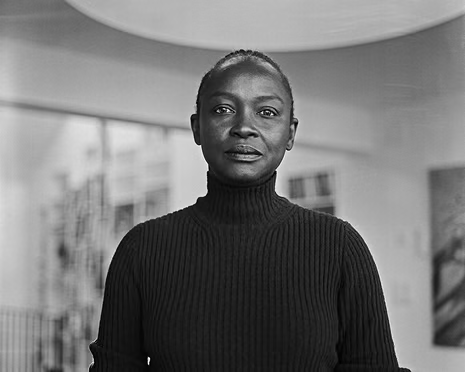
Her vision moves away from spectacle toward introspection. As a reflection, of the past year’s foreign hegemony themed biennale, this year’s theme explores “Minor Tones” in society. Specifically, quiet histories, overlooked communities, fragile identities, and intimate narratives, thus, inviting audiences to reflect on subtle social realities rather than grand geopolitical statements.
A Biennale Focused on the Contemporary Moment
Unlike recent editions that sought to revise art history by highlighting overlooked figures, the 2026 edition shifts attention back to the present generation of artists. More than 90 percent of the participants are living artists, signalling a renewed emphasis on contemporary practices and urgent cultural debates shaping today’s world.
The exhibition therefore functions less as a retrospective correction and more as a snapshot of global contemporary art in real time. Asia continues to play a significant role at the Biennale, reflecting the region’s growing influence in the global art ecosystem.
1. National pavilions as geopolitical storytelling
Asian national pavilions remain some of the most conceptually ambitious spaces in Venice. Countries such as South Korea, Japan, China and Singapore, continue to use the Biennale as a platform to explore history, identity, and political memory, and a way to catapult their artists to the forefront of an international cultural dialogue.
For example, the established, widely lauded Korean pavilion examines the legacy of martial law and the unseen forces shaping national identity, using architectural interventions and sophisticated multimedia installations to explore historical trauma and collective memory of their nation.
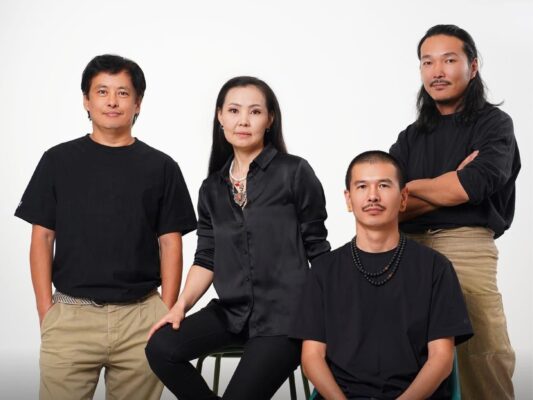
This year also showcases the developing trend of Central Asia‘s wider participation as part of such festivities, as much as they had participated in some capacity between 2015 – 2022. The 2026 pavilion, titled “Entanglements: Connectivities Across Borders“, brings together artists Nomin Bold, Dorjderem Davaa, Gerelkhuu Ganbold, and Tuguldur Yondonjamts, curated by Uranchimeg Tsultem and Thomas Eller. Drawing on themes of spirituality, ecology, and cross-border exchange, the exhibition traces unexpected historical links between the Mongol Empire and Venice in the 13th century, while reflecting on contemporary questions of migration, coexistence, and interspecies relationships.
The four artists approach these ideas through distinct practices: Nomin Bold reinterprets the intricate Mongolzurag painting tradition through vibrant scenes of material exchange between nomadic and urban life, whilst Dorjderem Davaa works with natural materials such as animal skin and horns to evoke mythology and landscape. Gerelkhuu Ganbold fuses folkloric imagery with visual languages drawn from video games and science fiction, as Tuguldur Yondonjamts explores Central Asian heritage, paleontology, and ecology through installations and sculpture.
Together, the pavilion reimagines Mongolia not as a fixed geography but as a dynamic crossroads of cultural exchange—an idea that resonates strongly within the conversations shaping this year’s Biennale.
2. Asian artists in the main exhibition
Beyond national pavilions, artists from across Asia appear prominently in the central exhibition curated by Kouoh. Their works often explore themes such as migration, post-colonial memory, urban transformation, and climate anxiety—topics deeply connected to Asia’s rapid social change.
Artists from South and Southeast Asia in particular contribute narratives that blur the boundaries between local history and global experience, reflecting the increasingly transnational nature of contemporary art practice.
3. Asia’s growing institutional ecosystem
The strong Asian presence also reflects the rise of major art infrastructures across the region—from museums and foundations in cities, with key art fairs such as Art Basel Hong Kong, Frieze Seoul, Tokyo Dangdai and Art SG, to other biennales across Southeast Asia. These institutions increasingly support artists who now move fluidly between Venice, regional biennales, and global museum exhibitions.
While the official Biennale remains the anchor event, Venice during the exhibition period becomes a decentralised cultural festival. Dozens of collateral exhibitions, foundation shows, and independent projects take place across palazzos and historic buildings, often featuring Asian artists and curators alongside the official programme.
For many foreign visitors, these parallel exhibitions, organised by foundations, museums, and national cultural agencies, have become just as influential as the central show.