


Fashion and hospitality have been flirting for decades, but in recent years the relationship has become far more serious. What once began as branded cafés or novelty pop-ups has evolved into fully fledged luxury hotels, where fashion houses translate their design language into architecture, service, and lifestyle experiences.
At the heart of this shift is a simple idea: fashion brands already sell aspiration. Hotels allow them to immerse guests inside it.
The Rise of the Fashion Hotel
Perhaps the most recognisable name in this space is Bvlgari. The Bvlgari Hotel Milano opened in 2004 and set the tone for what a fashion-led hospitality experience could look like — understated Italian luxury, sleek black granite interiors, and a garden oasis hidden in the middle of the city.
Since then, the Bvlgari Hotels & Resorts portfolio has expanded to global fashion capitals and ultra-luxury destinations including the Bvlgari Hotel London in Knightsbridge and the ultra-glamorous Bvlgari Resort Dubai on its own private island. Each property channels the Roman jeweller’s signature aesthetic: bold materials, sculptural spaces, and an emphasis on Italian craftsmanship.
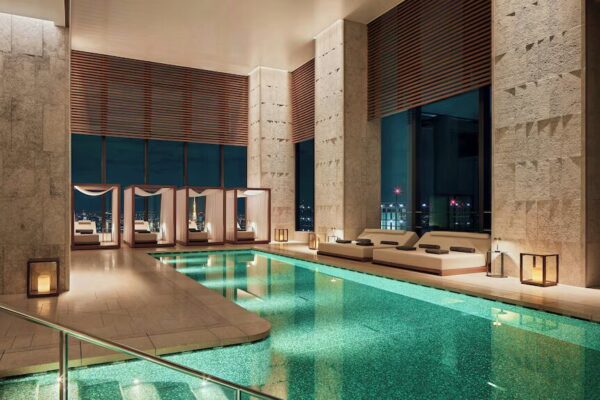
Another early pioneer was Versace. The flamboyant Palazzo Versace Dubai is arguably one of the most recognisable fashion hotels in the world, with baroque interiors, Medusa motifs, and custom furnishings designed by the house itself. Its sister property, Palazzo Versace Gold Coast, helped establish the blueprint back in 2000 — when fashion-branded hospitality still felt like a novelty.
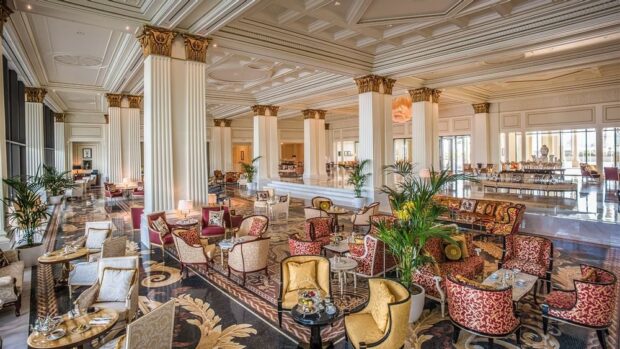
Then there is Armani, which took minimalism to dizzying heights inside the Burj Khalifa with the Armani Hotel Dubai. Designed personally by Giorgio Armani, the property is an extension of the designer’s famously restrained aesthetic: muted palettes, clean lines, and an obsessive attention to detail that mirrors his tailoring.
A New Frontier for Luxury Houses
While some fashion brands built permanent hotels, others have begun experimenting with temporary hospitality experiences.
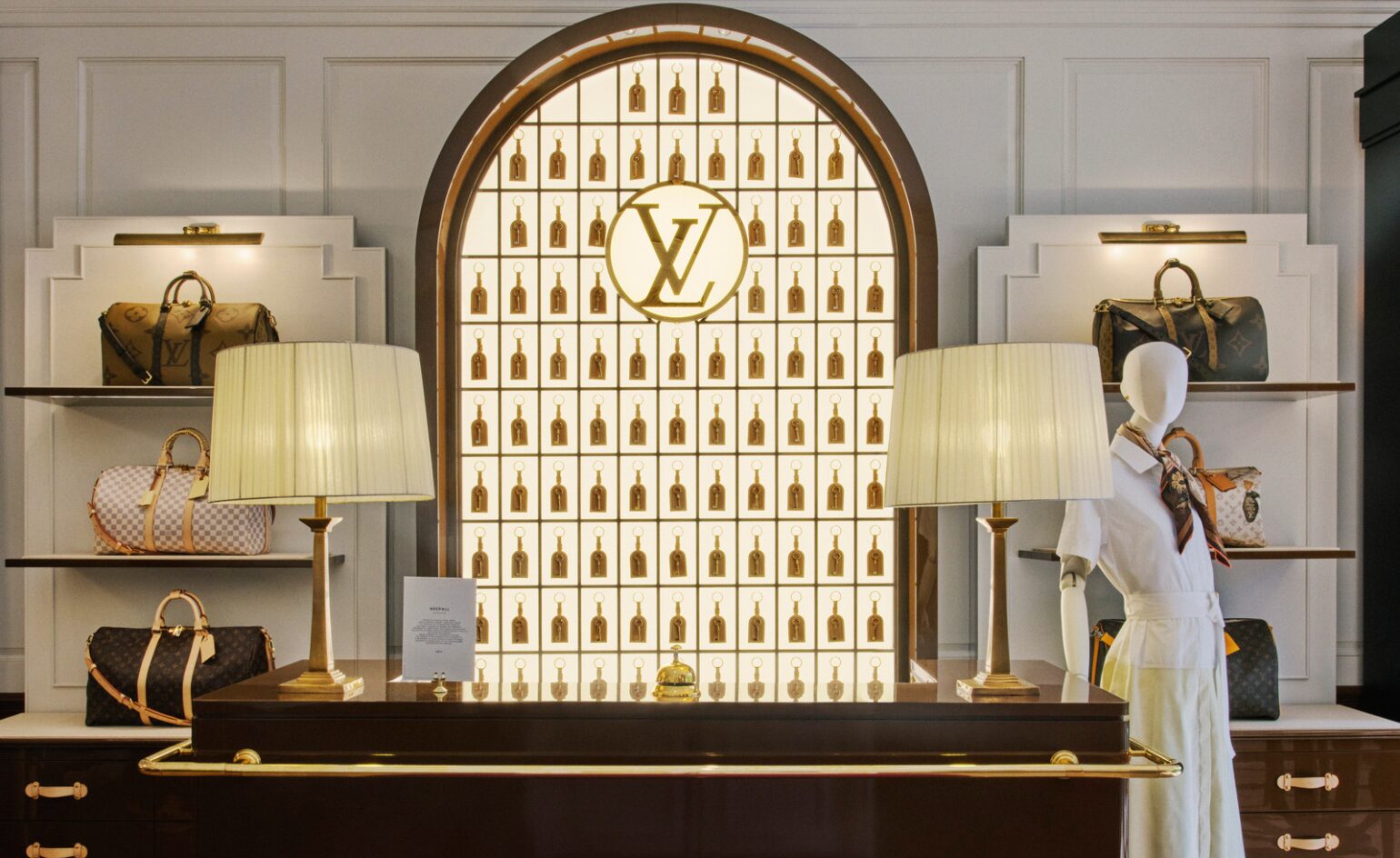
One of the most ambitious examples comes soon from Louis Vuitton, a house whose identity is deeply tied to travel itself. The brand recently staged a theatrical hotel-themed pop-up in London celebrating the Monogram’s legacy — blending exhibition, retail, and hospitality elements into a townhouse experience inspired by its iconic bags.
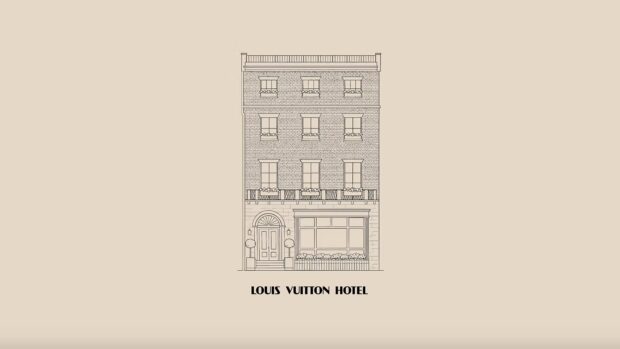
It reflects a broader shift: luxury brands are increasingly looking beyond retail spaces to create environments where guests can live inside the brand narrative.
As luxury brands continue expanding into lifestyle spaces — from cafés to beach clubs — hotels remain the ultimate expression of brand world-building. For travellers, that means checking into more than just a room. It’s checking into a fashion house itself. If the success of properties like the Bvlgari Hotel Milano or Armani Hotel Dubai is any indication, the runway to hospitality is only getting longer.