


Singapore audiences have no shortage of thought-provoking theatre and cinema this season, with new productions exploring everything from grief, artificial intelligence to virtual morality and classic murder mysteries.
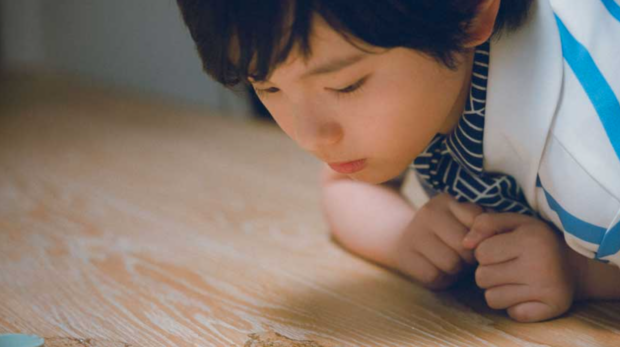
Hirokazu Kore-eda’s Sheep in the Box sees the acclaimed Japanese filmmaker return to familiar themes of family and loss, but with a science-fiction twist. Set in a near-future world, the film follows grieving parents who receive an AI humanoid recreation of their deceased son. Rather than debating whether technology can replace loved ones, Kore-eda explores how grief changes people in different ways, examining memory, acceptance and the emotional complexities of moving forward. While conceptually ambitious, the film’s measured pacing and emotional focus make it a reflective, if occasionally uneven, meditation on loss.
On the theatre front, HuM Theatre’s Singapore premiere of The Nether offers one of the year’s most provocative productions. Adapted for local audiences by Subin Subaiah, Jennifer Haley’s play imagines a virtual reality so realistic that moral boundaries begin to dissolve. Framed as a police investigation into crimes committed inside a digital world, the production raises difficult questions about accountability, desire and ethics in spaces where no physical harm occurs, yet profound psychological consequences remain.
Regional storytelling also takes centre stage with Fragments of Tuah, an inventive new work by Malaysian theatre-maker Mark Teh that re-examines one of Southeast Asia’s most enduring legends. Hang Tuah has occupied a singular place in the Malaysian imagination for centuries, appearing in school textbooks, literature, films and political speeches as the embodiment of loyalty, courage and duty. Ironically, that cultural ubiquity was exactly why Teh never imagined making a work about the legendary warrior.
Instead, the production grew out of a series of unexpected discoveries. While researching an unrelated project in Okinawa in 2019, Teh encountered pseudo-historical claims suggesting Hang Tuah had travelled there centuries earlier, with alleged artefacts found as far afield as India and Istanbul. During the pandemic, those narratives found new life on social media, where creators amassed hundreds of thousands of views by documenting supposed gravesites and newly discovered evidence of Hang Tuah’s existence. Rather than asking whether the legendary warrior was real, Fragments of Tuah explores why societies continue to return to such myths, and what they reveal about history, identity and nation-building.
Regional cinema also shines with Lam Hongchu’s Dear You, a quietly devastating drama that reminds audiences of the enduring power of family across borders. Eschewing spectacle in favour of restraint, the film centres on the historic qiaopi(侨批) letters—remittance messages that once carried not only money but also love, hope and memory between overseas Chinese communities and their families back home.
The story follows Teochew grandmother Ye Shurou, who has spent decades believing her husband continued writing to her after migrating to Southeast Asia. When her grandson travels to Thailand in search of a long-lost inheritance, he instead uncovers a deeply human story of migration, sacrifice and emotional compromise. As buried truths emerge, Dear You becomes less a mystery than a meditation on how love can survive through silence, distance and the choices people make to protect those they cherish. Rich in Teochew heritage and diaspora history, the film offers a poignant reminder that kindness, even when imperfect, can echo across generations.

Meanwhile, Pangdemonium’s A Mirror has emerged as one of Singapore theatre’s standout productions. Sam Holcroft’s Olivier Award-winning play makes its first international staging here, directed by Tracie Pang in what will be her final production with the company she co-founded. Structured as a theatrical puzzle, A Mirror slowly reveals its layers rather than relying on dramatic twists, rewarding audiences who embrace its ambiguity. The production also marks an emotional milestone as Pangdemonium enters its final season, serving as a reminder of the artistic ambition that has defined the company over the past fifteen years.
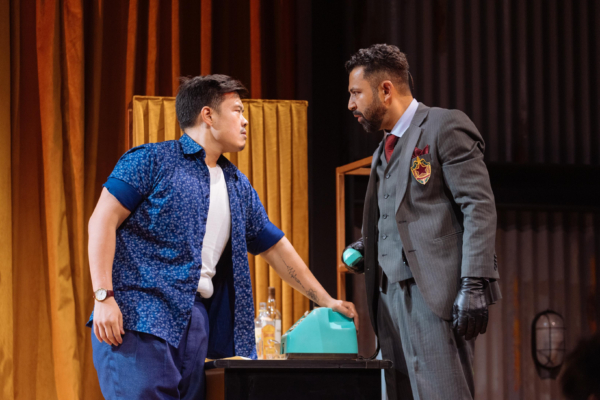
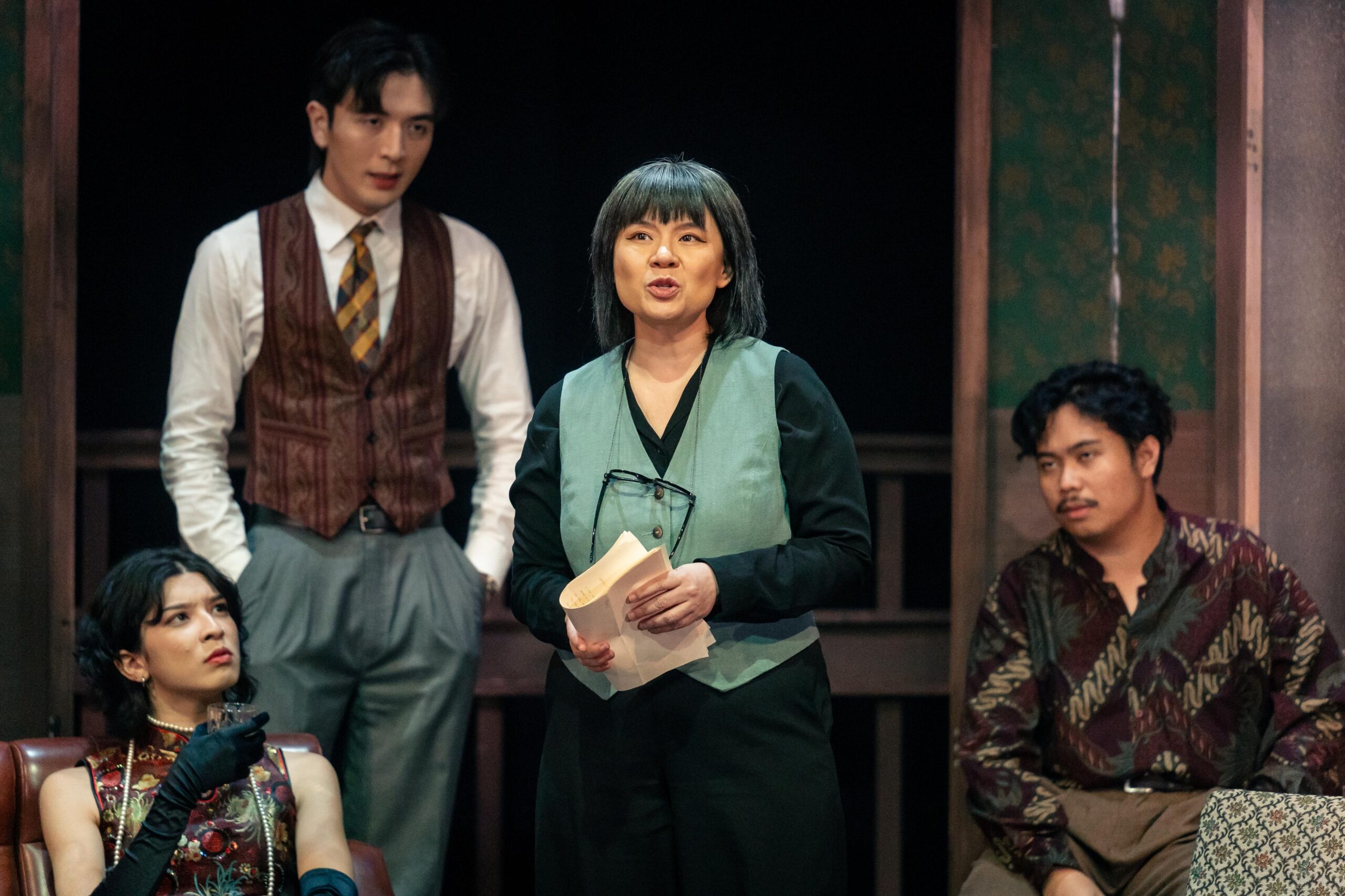
Rounding out the season is The Winter Players’ production of Agatha Christie’s And Then There Were None. The young company’s most ambitious undertaking to date brings the iconic murder mystery to the stage with its largest ensemble cast, following ten strangers trapped on a remote island as long-buried secrets emerge and the body count rises. While opening night revealed some growing pains in balancing the play’s technical demands, the production demonstrates the company’s confidence and potential as it continues to establish itself within Singapore’s theatre scene.
Together, these productions showcase the breadth of Singapore’s arts landscape, from intimate reflections on grief and identity to morally challenging speculative drama and enduring literary classics, offering audiences compelling reasons to head back to the cinema and theatre this season.
Featured image credit: And Then There Were None by The Winter Players