


Luxury fashion and bubble tea don’t usually end up in the same headline. Yet this week, Louis Vuitton and Chinese tea chain Molly Tea became the latest reminder that in today’s branding economy, your logo can be just as valuable, and vulnerable, as your product.
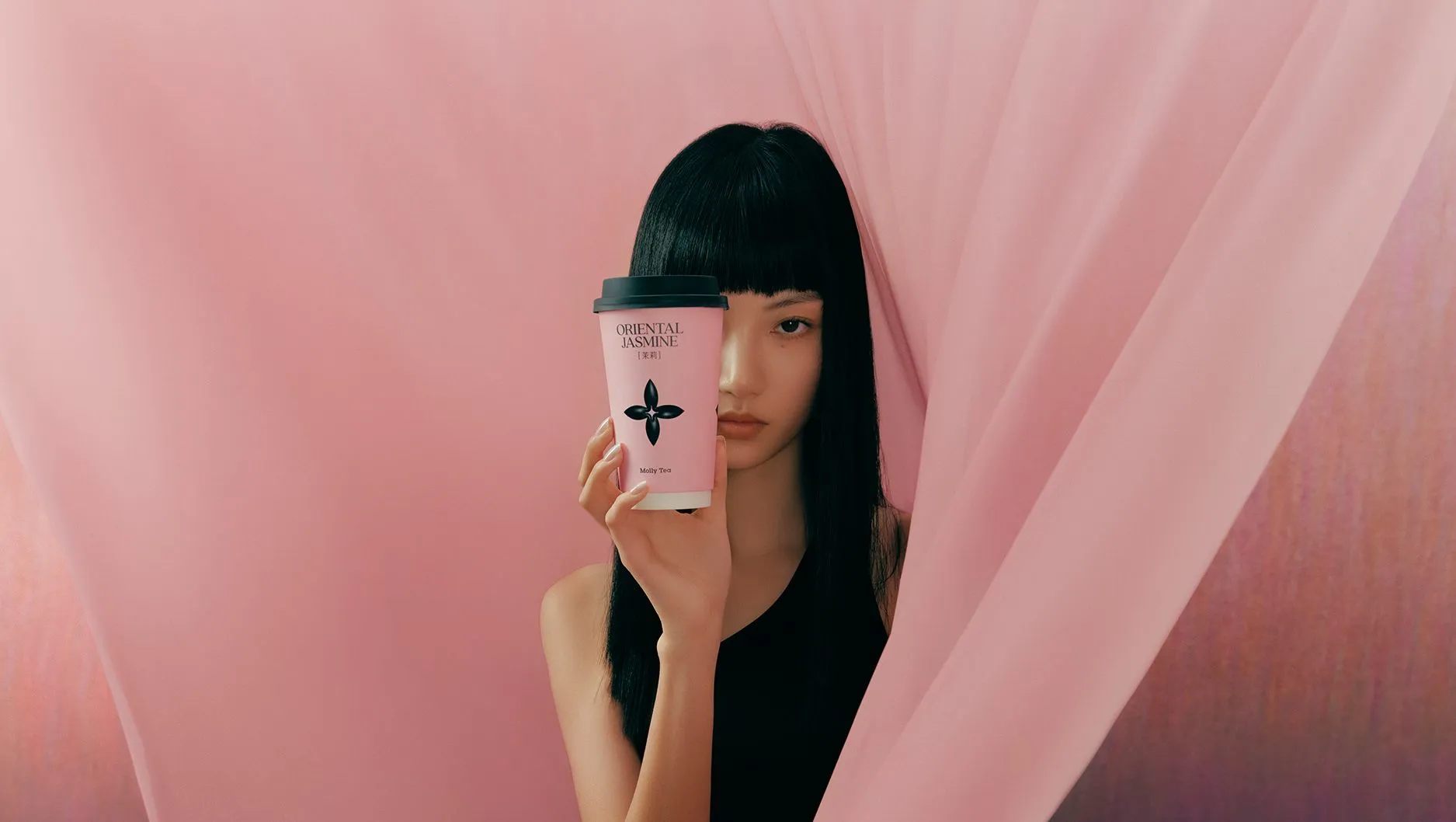
At first glance, the internet reduced the lawsuit to a simple question: Can Louis Vuitton really own a four-petal flower?
Not exactly. The real issue was never whether anyone could monopolise a floral shape. Flowers have existed in art, culture and design for centuries. Four-petal motifs certainly aren’t new. What is protected is something far more commercially valuable: the overall identity consumers associate with a brand.
For decades, Louis Vuitton has invested billions building one of the world’s most recognisable visual identities. Its famous Monogram isn’t just a collection of flowers and geometric shapes—it’s shorthand for luxury itself. Like Tiffany Blue, the Nike Swoosh or Apple’s bitten apple, consumers don’t see individual design elements. They see the brand.
That’s precisely why courts around the world often give famous trademarks broader protection than ordinary ones.
Brand recognition is the new currency
One of the most fascinating parts of the case is that Louis Vuitton and Molly Tea aren’t even competitors. One sells handbags. The other sells jasmine milk tea.
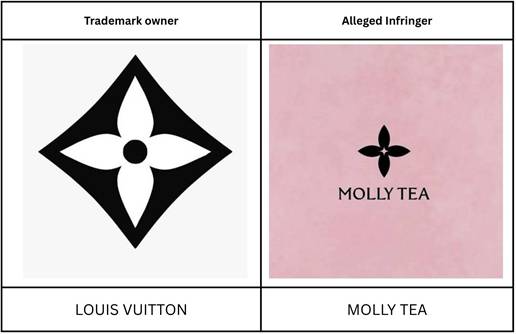
Yet that didn’t stop the court from finding that the visual branding created an association with one of the world’s most valuable luxury houses. That reflects a broader reality of modern branding.
Today’s biggest brands no longer stay in their lane. Fashion houses launch cafés. Hotels collaborate with streetwear labels. Beauty brands open restaurants. Luxury names appear in gaming, hospitality, travel and even food. Consumers are increasingly conditioned to believe that seemingly unrelated collaborations are completely normal.
In other words, industries matter less than they once did. Perception matters more.
The first warning sign came long before court
Perhaps the biggest business lesson wasn’t the lawsuit itself. Reports indicate Molly Tea had already faced trademark refusals during the registration process because of similarities with earlier registered marks.
For most companies, that should have been an early signal to rethink the branding strategy. A trademark refusal doesn’t automatically mean you’ll lose a future lawsuit. But when the earlier rights belong to one of the world’s most aggressively protected luxury brands, it’s certainly not something to ignore.
Branding agencies often talk about falling in love with a logo. Lawyers usually recommend falling in love with the registrations first, that comes with filing fees and searches, from a reputable law firm.
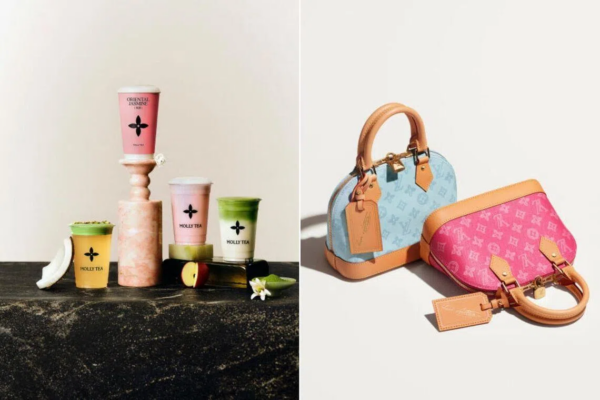
Rebranding is expensive. Really expensive.
Following the judgment, Molly Tea has reportedly removed the disputed logo from its branding and is expected to launch a new identity. That’s a far bigger undertaking than swapping out a social media profile picture.
Every store sign. Every takeaway cup. Every delivery app. Every piece of packaging. Every franchise location. Every marketing campaign. Every customer touchpoint.
Rebranding after nationwide expansion can cost millions before a single new customer walks through the door. Sometimes, changing your mind early is the cheapest option.
Can Louis Vuitton own a flower?
No. But it doesn’t need to. The court wasn’t deciding whether Louis Vuitton owns floral designs. It was deciding whether consumers would associate Molly Tea’s branding with Louis Vuitton’s famous trademarks.
There’s an important difference. Trademark law protects commercial reputation, not artistic ideas. A flower remains a flower. However, a flower that consumers immediately connect with Louis Vuitton is something else entirely.
The price of becoming “well known”
One of the reasons Louis Vuitton prevailed is its status as a well-known trademark internationally. That designation carries significant commercial weight because it allows famous brands to extend protection beyond the exact products they sell.
Its recognition is earned through decades of investment, consistency and consumer trust. Ironically, that’s also why companies spend so much protecting it.
The Suzhou Intermediate People’s Court in Jiangsu Province awarded Louis Vuitton approximately RMB 10.3 million (around S$1.96 million or US$1.5 million) in damages and reasonable enforcement costs in the first-instance judgment, and for Shenzhen based company, to issue a public apology. Molly Tea’s founder, Zhang Bocheng, has formally stated that it will appeal the first-instance Court’s decision, so the litigation is not yet over.
Whether that figure ultimately changes on appeal almost feels secondary. The bigger idea is that in 2026, logos have become business assets powerful enough to transcend industries. Because in a world where everyone is fighting for attention, your visual identity isn’t just decoration. It’s equity.