


For years, Timor-Leste has occupied an intriguing corner of the Southeast Asian imagination: close enough to be part of the region, yet often overlooked by travellers passing between the better-known village destinations such as Yangon in Myanmar or Phu Quoc Islands in Vietnam, marvelling at the cultural heritage of slow-living.
That changes with Timor-Leste’s historic admission into ASEAN.
At the opening ceremony of the 47th ASEAN Summits and Related Summits on 26 October 2025, ASEAN Leaders signed the Declaration on the Admission of Timor-Leste, formally welcoming the country as ASEAN’s 11th Member State. It marked the culmination of a journey that began with Timor-Leste’s formal application for membership in 2011.
For travellers, however, the significance goes beyond diplomacy. Timor-Leste offers a glimpse of village life and heritage steeped Southeast Asia, before mass tourism fully arrives.
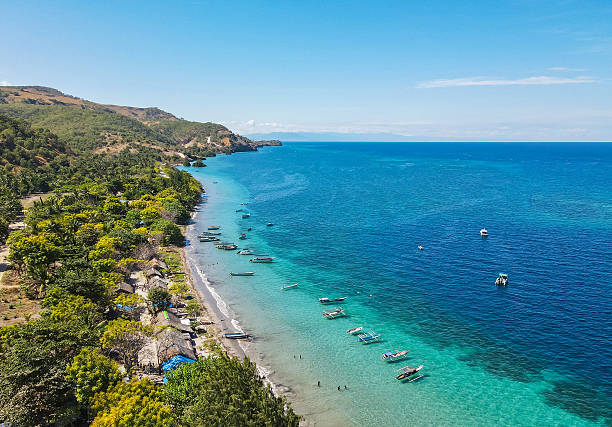
Its capital, Dili, sits between mountains and the sea, with a distinctly slower rhythm than the region’s major urban centres. Along its coastline, turquoise waters and coral reefs have made the country increasingly interesting to divers and adventurous travellers, while the surrounding landscape remains remarkably undeveloped by regional standards.
Then there is the coffee.
Timor-Leste has a long coffee-growing tradition, with small-scale producers cultivating Arabica and other varieties in the country’s mountainous interior. Coffee is increasingly part of the country’s contemporary identity — a particularly compelling detail in a region where café culture has become its own form of urban lifestyle.
Food tells another part of the story. Timorese cuisine reflects the country’s complex history and geography, bringing together indigenous traditions with Portuguese, Indonesian and other regional influences. Staples such as rice, maize, cassava, fish and locally grown produce sit alongside dishes shaped by generations of cultural exchange.
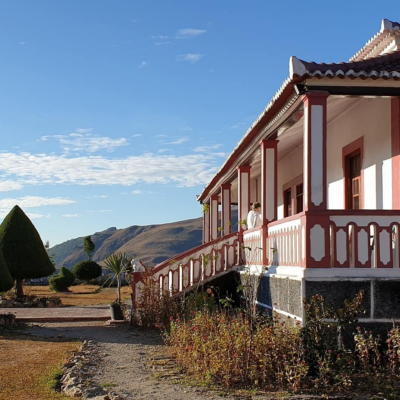
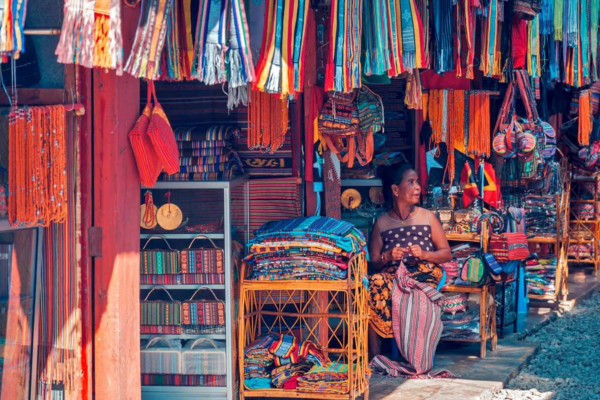
For design and culture watchers, there is an equally interesting story unfolding. Timor-Leste’s traditional tais textiles — handwoven fabrics distinguished by intricate patterns and strong regional identities, are among the country’s most recognisable cultural expressions. What was once primarily embedded in ceremony and community life is increasingly being reconsidered through contemporary fashion, craft and cultural preservation.
Its landscapes are similarly cinematic: rugged mountains, forested interiors, empty beaches and offshore islands create an aesthetic far removed from the polished resort vocabulary of much of Southeast Asia. That relative lack of development may ultimately be Timor-Leste’s greatest “luxury”, a term now punctuated by nomadism and rural lifestyles, which sometimes is confusing what sanitary standards are, by contrast.
As ASEAN integration deepens, greater connectivity, investment and regional visibility are likely to bring the country into sharper focus. The challenge will be ensuring that development does not erase the very qualities that make Timor-Leste compelling in the first place.
Its ASEAN accession therefore represents more than the expansion of a political bloc. It may also mark the beginning of a new chapter for one of Asia’s least explored destinations. A country with coffee in its mountains, textiles in its villages, reefs beneath its waters and a cultural identity distinctly its own.
Timor-Leste has officially joined Southeast Asia’s most important regional family. Now, the rest of Asia may finally start paying attention.