


The online economy—driven by ad dollars, engagement metrics, and algorithmic amplification— should reward reason more. That makes it harder than ever for companies to discern which comments reflect real consumer sentiment, and which are just noise.
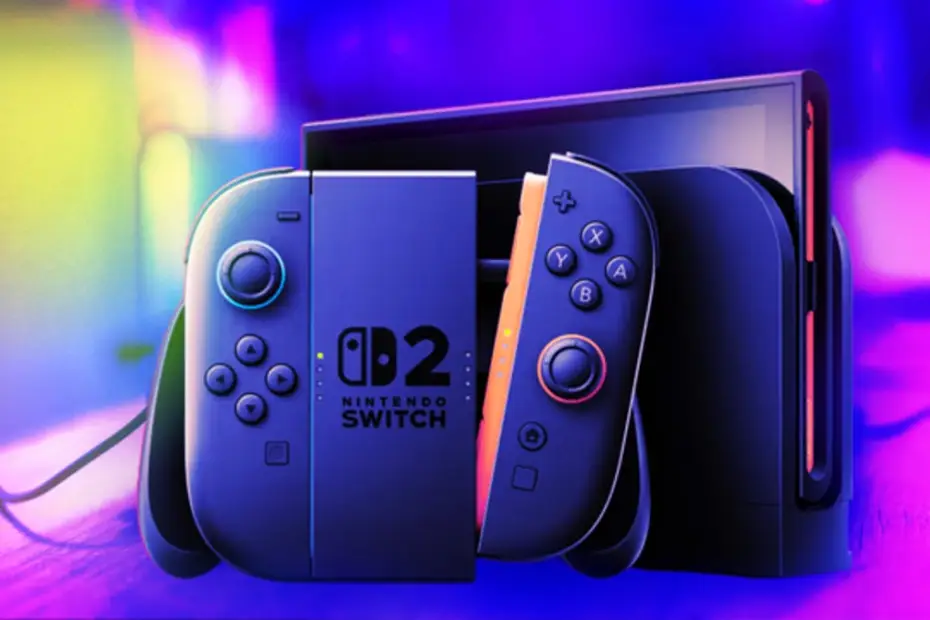
Nintendo’s launch of the Switch 2 provides a textbook example. The internet lit up on the console’s new terms of service, particularly the company’s ability to remotely disable devices it flags for unauthorised activity, and the introduction of Game-Key Cards, which many decried as glorified download codes. Yet none of that prevented the Switch 2 from becoming the fastest-selling console of all time, with 3.5 million units sold in its first four days. Nintendo’s shares soared to record highs.
Part of what prompted these changes, however, was not just digital transformation, it stemmed from Nintendo’s increasing frustrations with credible online resellers on platforms like Amazon.com undercutting official prices by importing cheaper versions of games from Southeast Asia. Despite efforts by Amazon to label and authenticate official products, Nintendo ultimately had to re-direct listings from the U.S. site, to decide and channel how games would be sold, offering Game-Key Cards as a lower-cost, more secure alternative for publishers and retailers.
In other words, Nintendo wasn’t just tuning out the noise, it was taking targeted action vis what it viewed as not commercially attuned to its ecosystem. Of course, not all online discontent is empty. Tumblr’s ban on adult content led to a collapse in relevance. The #MeToo movement began on social media and transformed global culture. And Nintendo’s success with the Switch 2 still draws on lessons learned from fan comments during the Wii U era.
Social media is often hailed as the “global town square”—but more often, it functions like a noisy bar: full of voices, not all of them sincere, and few truly representative. The key is not to ignore the internet. It is knowing when not to listen.
Stay updated and social with Popspoken: LinkedIn | Instagram